

The Evolution of Streetwear: From Skate Shops to a Global Cultural Force
Updated: Oct 21

Streetwear isn't just a fashion trend. It's a living archive of rebellion, community, and self-expression — and it's been shaping what we wear for over four decades.
What Is Streetwear, Really?
Ask ten people to define streetwear and you'll get ten different answers. Some will point to the oversized hoodie they've worn three days straight. Others will talk about the $800 resale price on a sneaker that dropped at 10 a.m. and sold out by 10:02. The truth is that streetwear is less a single aesthetic and more a cultural language — one that grew out of specific neighborhoods, specific sounds, and specific attitudes.
At its core, streetwear is casual clothing with intention. It's not sloppy. It's not accidental. Every baggy silhouette, every graphic tee, every layered fit is a deliberate choice rooted in a subculture that started in the streets and never left.
Shawn Stussy started printing his name on surfboards and T-shirts in 1980. That's when the first recognizable wave of streetwear labels began to take shape in California surf shops and Brooklyn skate scenes . By the time Supreme opened its first shop on Lafayette Street in 1994, streetwear had already become a quiet revolution.
Where It All Started: The Origins of a Cultural Movement
The story of streetwear is really three stories braided together.
Story one: The West Coast. Surfers in California needed clothes that could handle sand, salt, and long days in the water. Shawn Stussy started printing his logo on boards and tees, blending surf culture with graphic design in a way nobody had done before .
Story two: The East Coast. In New York, hip-hop was changing everything. Kids in the Flatbush neighborhood of Brooklyn were rocking baggy pants and oversized shirts, using fashion the same way rappers used lyrics — to claim space and signal identity . The aesthetic was bold, unapologetic, and deeply rooted in Black culture and youth expression .
Story three: Japan. A Bathing Ape (BAPE) launched in Tokyo in 1993 and brought an entirely new visual language — camo patterns, ape heads, shark hoodies — to the global stage . BAPE showed that streetwear could be playful, surreal, and unmistakably iconic.
By the late 1990s, skateboarding, punk, and graffiti had all merged into the streetwear bloodstream. The term itself was still murky — nobody was calling it "streetwear" yet — but the clothes were already everywhere .
The Drop Model: How Scarcity Built a Global Industry
If you want to understand why streetwear commands such intense loyalty, you need to understand the drop.
Bobby Hundreds, co-founder of The Hundreds, has argued that streetwear is defined less by the clothes themselves and more by the distribution model — the limited releases, the short windows, the collective rush to cop before it's gone .
It works like this: a brand announces a product. No restocks. No waitlist. A specific time. A specific quantity. When it's gone, it's gone. Supreme popularized this model in the 2000s, and by the mid-2010s, it had become the heartbeat of the entire industry .
The drop model does something psychologically powerful. It turns a purchase into a shared experience — something you did, not just something you bought. That's why people line up outside stores at 6 a.m. It's why sneaker resale is a billion-dollar market. It's why a single collaborative T-shirt can sell for more than a month's rent.
And it all started with streetwear.

The Key Elements That Define Streetwear Fashion
Not everything casual is streetwear. The genre has a specific visual and cultural DNA:
Oversized silhouettes with intentional fit. Baggy isn't lazy — it's a statement. The proportions are deliberate, meant to create a specific visual rhythm .
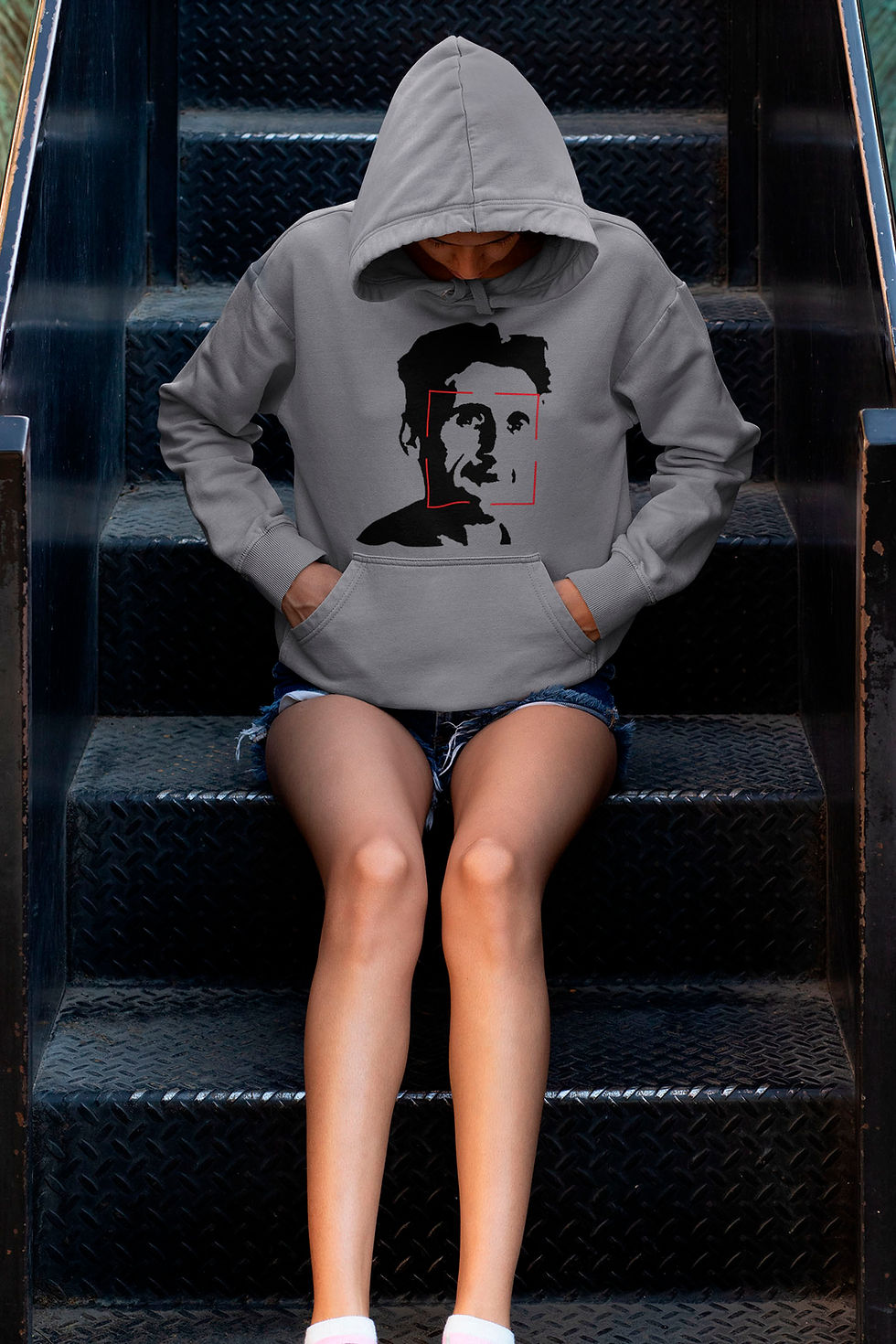
Bold graphics and logo play. Whether it's a box logo, a camo pattern, or a political message, streetwear graphics are never just decoration. They carry meaning.
Sneakers as status objects. In streetwear, shoes aren't footwear. They're the punctuation mark at the end of an outfit. Retro basketball sneakers, chunky runners, and low-profile skate shoes all occupy different corners of the streetwear sneaker universe .
High-low mixing. Pairing a luxury piece with a thrifted basic is a core streetwear instinct. It's a way of rejecting fashion hierarchy while acknowledging that quality matters .
Cultural references layered throughout. Music, art, sports, anime — streetwear absorbs everything and reflects it back. The Y2K revival, for example, has strong ties to early 2000s anime aesthetics, from baggy pants to chain accessories .
If you're just getting started, don't overthink it. Grab a few quality hoodies and graphic tees in neutral colors, then add one or two statement pieces that actually mean something to you. That's the foundation.
The 3-3-3 Rule: A Simple Framework for Streetwear Outfits
If you've ever stared at your closet and felt like you had nothing to wear, the 3-3-3 rule is your exit strategy. It's not a rigid formula — it's a creative constraint that forces balance without killing personality.
Here's how it works:
Three colors. Pick a base (black, white, or gray), a secondary tone (denim, olive, beige), and one accent (a pop of red, orange, or electric blue). Three is enough. Four starts to look chaotic.
Three layers. Layer like you mean it. A tee, an open overshirt or jacket, and a third element — a cap, a chain, a bag — creates depth without bulk.
Three textures. Mix cotton with denim and leather. Or fleece with nylon and canvas. Texture is what makes an outfit feel rich, even when it's simple.
A practical example: heavyweight white tee, washed black denim jacket, relaxed cargo pants, retro sneakers. That's three colors (white, black, olive), three layers (tee, jacket, sneakers as the finishing layer), and three textures (cotton, denim, rubber/canvas).
The 3-3-3 rule works because it gives you a decision-making framework without telling you exactly what to wear. It's a starting point, not a prison sentence.
How Streetwear Shaped Pop Culture — and Got Shaped Back
Streetwear and hip-hop didn't just coexist. They built each other.
From the earliest days of Run-DMC's Adidas endorsement to Wu-Tang Clan's Clarks Wallabees to the current wave of K-pop artists collaborating with streetwear labels, the relationship between music and fashion has never been one-directional .
Social media accelerated everything. A single Instagram post or TikTok video can turn an unknown brand into a sold-out phenomenon overnight. The drop model thrives on this kind of viral attention — the faster something spreads, the shorter the window feels, and the more urgent the purchase becomes.
But it's not just music and social media. Sports, anime, skateboarding, and even food culture have all left fingerprints on streetwear. The genre is endlessly absorbent because it was never meant to be pure. It was always a remix.

Building Your Streetwear Wardrobe: A Practical Starting Point
You don't need a closet full of hyped brands to dress well in streetwear. You need intention.
Start with your base. Invest in heavyweight tees, a quality hoodie, and a pair of jeans or cargos that actually fit the way you want them to .
Choose a color identity. Stick to three or four core colors that work together. Everything you buy should fit within that system. It makes getting dressed effortless.
Add sneakers last. Shoes anchor the fit. Once you know your base colors and silhouettes, pick sneakers that reinforce that direction — not ones that fight against it.
Buy statement pieces on purpose. A graphic tee with a design you genuinely love will outperform a generic logo tee you bought because it was trending.
Layer, layer, layer. Streetwear is a layering game. Open jackets, overshirts, and long-sleeve tees underneath short-sleeve ones create visual interest and give you options as the day goes on.
If you're looking for pieces that already fit this philosophy, our streetwear collection is a solid starting point. You can also explore our deeper dive into urban streetwear culture as a lifestyle if you want to understand the mindset behind the clothes.
Final Thoughts: More Than Just Clothing
Streetwear started in skate shops and Brooklyn basements. It moved through hip-hop, graffiti, and Japanese design. It became a global industry, a resale economy, and a cultural language spoken by millions.
But at its best, streetwear is still just a way of saying something about yourself without saying a word. That's why it matters. That's why it lasts.
Whether you're building your first wardrobe or you've been collecting for years, the principle is the same: wear what means something to you. The rest is just hype.


Comments